
Election Results Rejected Political Parties Cry Foul
The Independent Electoral Commission of South Africa (IEC) announced the official results of the 2024 national and provincial elections last night, May 3, 2024, declaring the elections “free and fair”
The African National Congress (ANC) lost its majority for the first time since 1994, dropping to 40% of the total vote share.
In a dramatic turn of events, about 20 political parties have rejected the recent election results, citing allegations of fraud, irregularities, and discrepancies. The move has thrown the country into a state of uncertainty, with many questioning the legitimacy of the electoral process.
The opposition parties claim that the election was marred by widespread irregularities, including voter suppression, ballot stuffing, and tampering with election materials. They point to discrepancies in vote tallies, unexplained changes in voter registration, and the mysterious appearance of additional ballots.
MK leader Jacob Zuma said; “We cannot accept the results of an election that was so blatantly rigged,” said the leader of the main opposition party. “The people’s voices were silenced, and democracy was subverted. We demand a thorough investigation and a re-run of the election.” Among other prominent leaders who were focused in disputing the results was the leader of ACT, Ace Magashule. He claimed that he had the evidence and proposed to share it with the media. The opposition has since approached their legal representative to lodge an urgent application with the Electoral Court.
The ruling party, however, has dismissed the allegations, calling them baseless. They claim that the election was free and fair and that the results reflect the will of the people.
The election commission has promised to investigate the allegations, but the process is expected to be lengthy and contentious. As the country waits with bated breath, the political landscape remains tense and uncertain.
The rejection of election results by political parties raises serious questions about the state of democracy and the rule of law. It highlights the need for transparency, accountability, and fairness in the electoral process. The world watches with keen interest as the situation unfolds, hoping for a peaceful and democratic resolution.
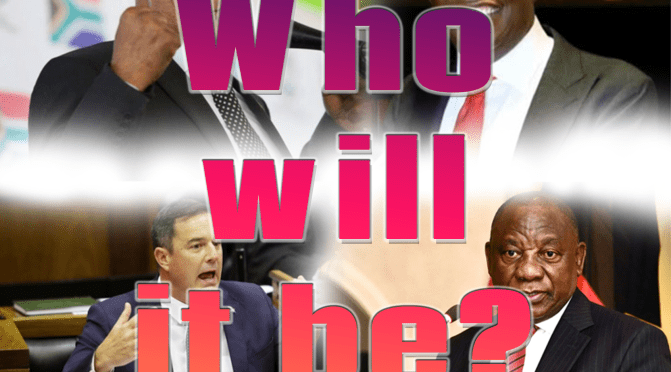
The elections were announced to have been free and fair by the IEC, however since there is no party with the outright majority, political parties have already started negotiating on how to form coalitions. The big question however remains; WHO WILL BE THE PRESIDENT OF SOUT AFRICA?
 Metro News | Live